

District Six Museum
About District Six Museum
A short walk from Bo-Kaap, in a former church on Buitenkant Street, the District Six Museum keeps alive the memory of a neighbourhood that apartheid tried to erase. District Six was once a crowded, lively, mixed community on the edge of the city centre. From the late 1960s its people were forced out of their homes, and almost every building was bulldozed. The museum tells their story through the voices, photographs, street signs and memories of the people who lived there — and it is one of the most moving places to visit in Cape Town.
What was District Six?
District Six took its name from its status as the Sixth Municipal District of Cape Town, named in 1867. It grew on the slopes below Devil's Peak, between the city centre and the harbour, and by the early twentieth century it was home to a remarkable mix of people: freed slaves and their descendants, artisans and dock workers, merchants and immigrants from many parts of the world. Christians, Muslims and Jews lived side by side; mosques and churches stood a few streets apart. Hanover Street, the district's main road, was full of shops, cafés, tailors, bakeries and cinemas. The area was poor and overcrowded in places, but it was also famous for its music, its humour, its New Year carnival and its strong sense of community.
The forced removals
On 11 February 1966 the apartheid government declared District Six a "whites only" area under the Group Areas Act. Over the following years, more than 60,000 people were forcibly removed from their homes and sent to townships on the Cape Flats, far from their jobs, schools, families and places of worship. Bulldozers flattened the houses street by street. Only the churches and mosques were left standing. Much of the land stayed empty for decades — a scar on the side of the city that is still visible today.
The removals broke up families and communities and caused deep, lasting harm. They are also part of the story of Bo-Kaap: under the same law Bo-Kaap was proclaimed a "Malay" group area, and while many of its families were able to stay, others who were classified differently were forced to leave. Read more about the neighbourhood's history in our in-depth story on the history of District Six.
The museum
The District Six Museum opened in December 1994, the year South Africa held its first democratic elections. It is housed in the former Buitenkant Methodist Church, which served the community of District Six and gave shelter and support to its people during the years of the removals. From the start it was created with and for former residents, and it is as much a place of memory and reunion as a museum.
What you will see
- The floor map. A large map of District Six covers much of the ground floor. Former residents have written their names and memories on it, marking where their homes once stood — one of the most powerful sights in the museum.
- The street signs. A collection of the original street signs of District Six hangs in the main hall. They were saved from destruction when the area was cleared and later returned to the community.
- Photographs and personal stories. Portraits, family photographs, recordings and written testimonies show daily life in the district and the experience of being removed.
- Memory cloths and artworks made by former residents, recording names, addresses and messages.
- Changing exhibitions on land, memory, restitution and the ongoing struggle of former residents to return.
Tours led by former residents
One of the most rewarding ways to experience the museum is on a guided tour. Some tours are led by former residents of District Six, who share their own memories of growing up in the area and of the day their families were forced to leave. The museum also offers walking tours of the old district, which show where streets and landmarks once stood among the empty land and newer buildings. Book ahead through the museum, especially if you are visiting in a group.
Planning your visit
Allow at least one and a half to two hours. The museum is at 25A Buitenkant Street, on the eastern side of the city centre, close to the Grand Parade and the Castle of Good Hope. From Bo-Kaap it is a walk of about twenty minutes through the city centre, or a short ride by car. Opening hours, entry fees and tour times are published on the museum's website — check them before you go, especially around public holidays. The museum shop sells books on the history of District Six and the Cape, many by former residents.
Land restitution today
After 1994, former residents of District Six were able to lodge claims to return to their land or receive compensation. The process has been slow and is still not complete. Some families have moved back into new homes built on the land, while many others are still waiting. The museum plays an active role in supporting former residents and keeping the issue in public view, and its exhibitions explain where the process stands today.
A day of Cape Town history
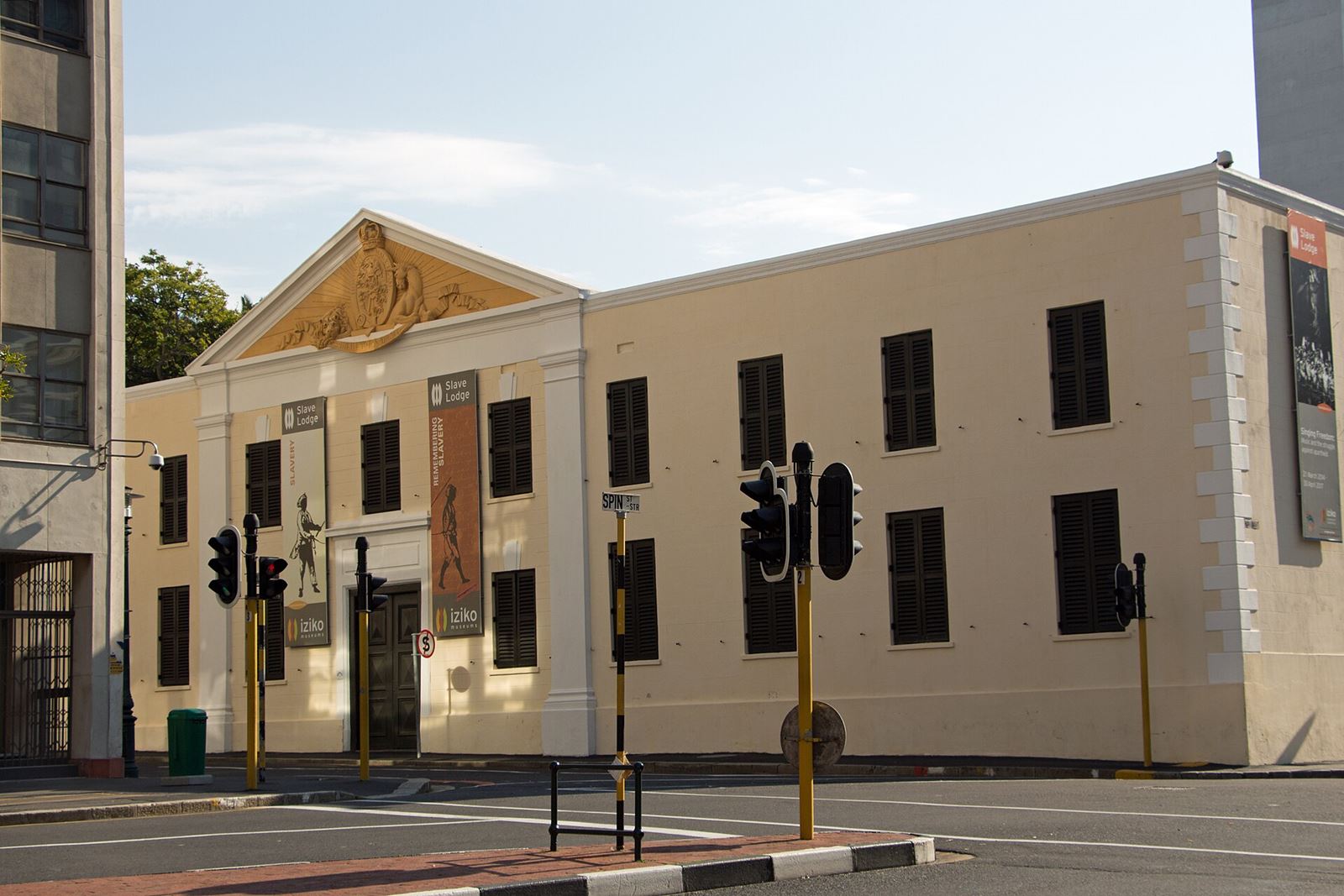
The District Six Museum is part of a walking route through the history of the city that starts in Bo-Kaap. Visit the Bo-Kaap Museum and the Auwal Mosque, walk down Wale Street to the Slave Lodge, then cross the city to the Castle of Good Hope and the District Six Museum. In one day you will have followed the story of Cape Town from the arrival of the Dutch East India Company to the end of apartheid. Afterwards, return to Bo-Kaap for a Cape Malay meal at one of our recommended restaurants, and see more ideas on our attractions page.
Frequently asked questions
Where is the District Six Museum?
What happened in District Six?
How long should I spend at the District Six Museum?
Can I take a tour with a former resident?
When did the District Six Museum open?
Location
25A Buitenkant Street, District Six, Cape Town
Share your experience of District Six Museum
Reviews are written by signed-in Google account holders so every review comes from a real person.
Sign in with Google to review