Slave Lodge Museum
About Slave Lodge Museum
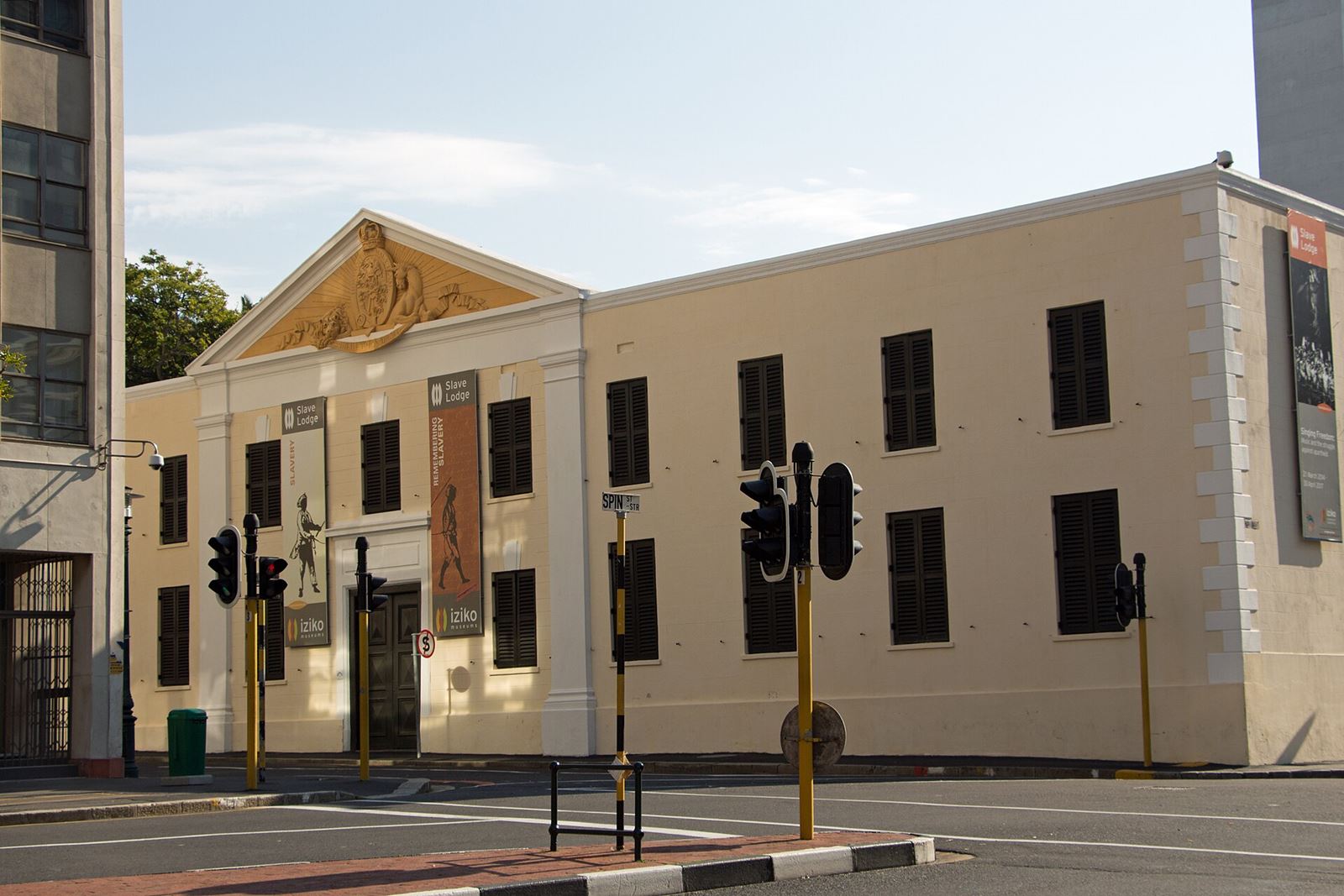
At the bottom of Wale Street, where the road from Bo-Kaap meets Adderley Street, stands one of the oldest and most important buildings in Cape Town. The Slave Lodge was built in 1679 by the Dutch East India Company (the VOC) to house the enslaved men, women and children it owned. For well over a century it was a place of forced labour, overcrowding and suffering. Today it is the Iziko Slave Lodge, a museum that tells the story of slavery at the Cape and of the long struggle for human rights in South Africa. For anyone who wants to understand Bo-Kaap, it is an essential visit — and it is only a ten-minute walk down the hill.
Slavery at the Cape
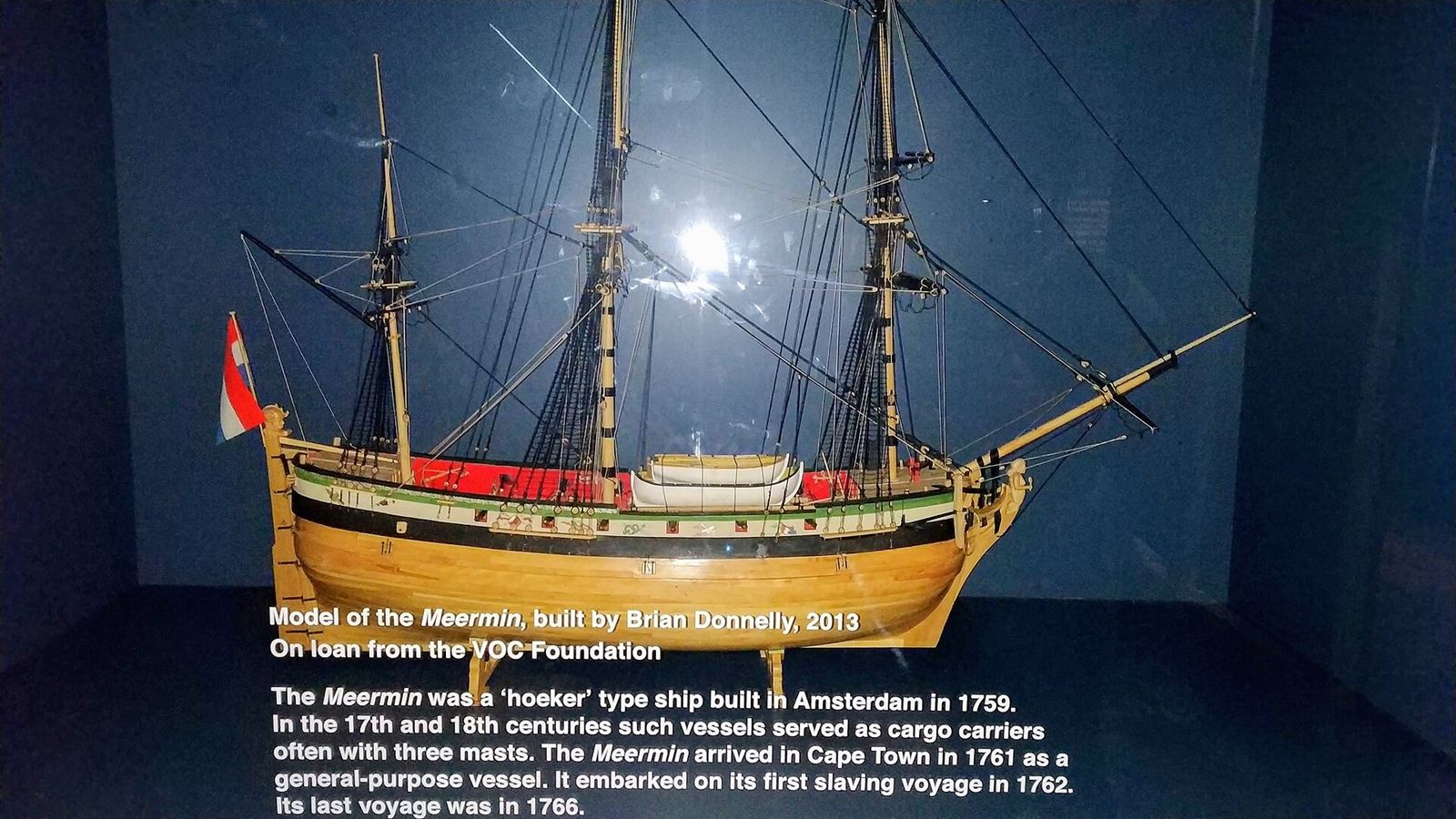
When the VOC set up its refreshment station at the Cape in 1652, it needed labour to build the fort, farm the land and run the settlement. It turned to slavery. Between 1652 and the end of the slave trade in 1808, tens of thousands of enslaved people — commonly estimated at more than 60,000 — were brought to the Cape from across the Indian Ocean world: from Indonesia and Malaysia, India and Sri Lanka, Madagascar, Mozambique and the East African coast. Many more were born into slavery at the Cape. Slavery itself was only abolished in 1834, followed by a four-year period of "apprenticeship" that ended in 1838.
The enslaved people of the Cape built much of early Cape Town. They were masons, carpenters, cooks, fishermen, washerwomen and farm workers. They brought with them languages, religions, music and food — including Islam, which grew strong in the city through enslaved people and political exiles from the East. Many families in Bo-Kaap today trace their roots to these men and women, which is why the Slave Lodge, the Bo-Kaap Museum and the Auwal Mosque are so closely connected.
Life in the Lodge
The Slave Lodge was the largest building in the early settlement, and at times hundreds of people were held inside. It had almost no windows facing the street, and conditions were dark, damp and crowded. Disease spread easily, and many people died young. The Lodge was also used as the colony's brothel for visiting sailors and soldiers, and enslaved women and children suffered terribly. Those held there worked in the Company's gardens, workshops and harbour, and on building projects such as the Castle of Good Hope.
A short walk away, a plaque on Spin Street marks the spot where, according to tradition, a tree stood under which enslaved people were sold — one of several reminders of the trade that are scattered through the city centre.
From slave lodge to museum
After the British took over the Cape, the building stopped being used to house enslaved people in the early 1800s. It was converted into government offices and later housed the colony's Supreme Court, the post office and other public bodies, and its outward appearance changed with each new use. In the twentieth century it became a cultural history museum, with collections of furniture, silver, ceramics and everyday objects. In 1998 it was renamed the Slave Lodge, and since then the museum has focused on telling the story of the people who were held there and on slavery and human rights more broadly.
What you will see
Exhibitions trace the journeys of enslaved people to the Cape, the lives they led and the ways in which they resisted. You will see records that list enslaved people by name, place of origin and value — a stark reminder of how they were treated as property. Other displays explore the legacy of slavery in South African society, from language and religion to food and music, and connect the story of the Cape with the wider history of slavery around the world. The museum also hosts changing exhibitions on human rights and social justice, and still displays parts of the older cultural history collections in the upstairs galleries.
Give yourself at least one to two hours. The subject matter is heavy, and some displays may be upsetting, particularly for younger children, but the museum handles the history with care and the stories it tells stay with visitors long after they leave.
Visiting from Bo-Kaap
The Slave Lodge stands at the corner of Adderley Street and Wale Street. From the heart of Bo-Kaap, simply walk down Wale Street past the colourful houses, the Bo-Kaap Museum and St George's Cathedral; the museum is on your left at the bottom of the hill, opposite the Company's Garden. The walk takes about ten to fifteen minutes. The museum is part of Iziko Museums of South Africa — check the Iziko website for current opening hours and entry fees before you go, as times can change on public holidays. Iziko offers free entry on selected commemorative days.
A walking route through Cape Town's history
The Slave Lodge is a natural starting point for a walk through the history of the city. Begin in Bo-Kaap with the Auwal Mosque on Dorp Street and the Bo-Kaap Museum on Wale Street, walk down to the Slave Lodge, stroll through the Company's Garden, and continue across the city to the Castle of Good Hope and the District Six Museum. Together they tell the story of Cape Town from the arrival of the VOC to the forced removals of apartheid. Finish the day back in Bo-Kaap with a meal at one of the neighbourhood's Cape Malay restaurants — a cuisine that is itself part of the legacy of the people who once lived in the Lodge. See more ideas on our attractions page.
Photos via Wikimedia Commons: HelenOnline, CC BY-SA 4.0; Jnanaranjan sahu, CC BY-SA 4.0.
Frequently asked questions
Where is the Slave Lodge in Cape Town?
When was the Slave Lodge built?
How long should I spend at the Slave Lodge?
Is the Slave Lodge suitable for children?
What are the opening hours of the Slave Lodge?
Location
Iziko Slave Lodge, corner of Adderley & Wale Streets, Cape Town
Share your experience of Slave Lodge Museum
Reviews are written by signed-in Google account holders so every review comes from a real person.
Sign in with Google to review