Table Mountain Aerial Cableway
About Table Mountain Aerial Cableway
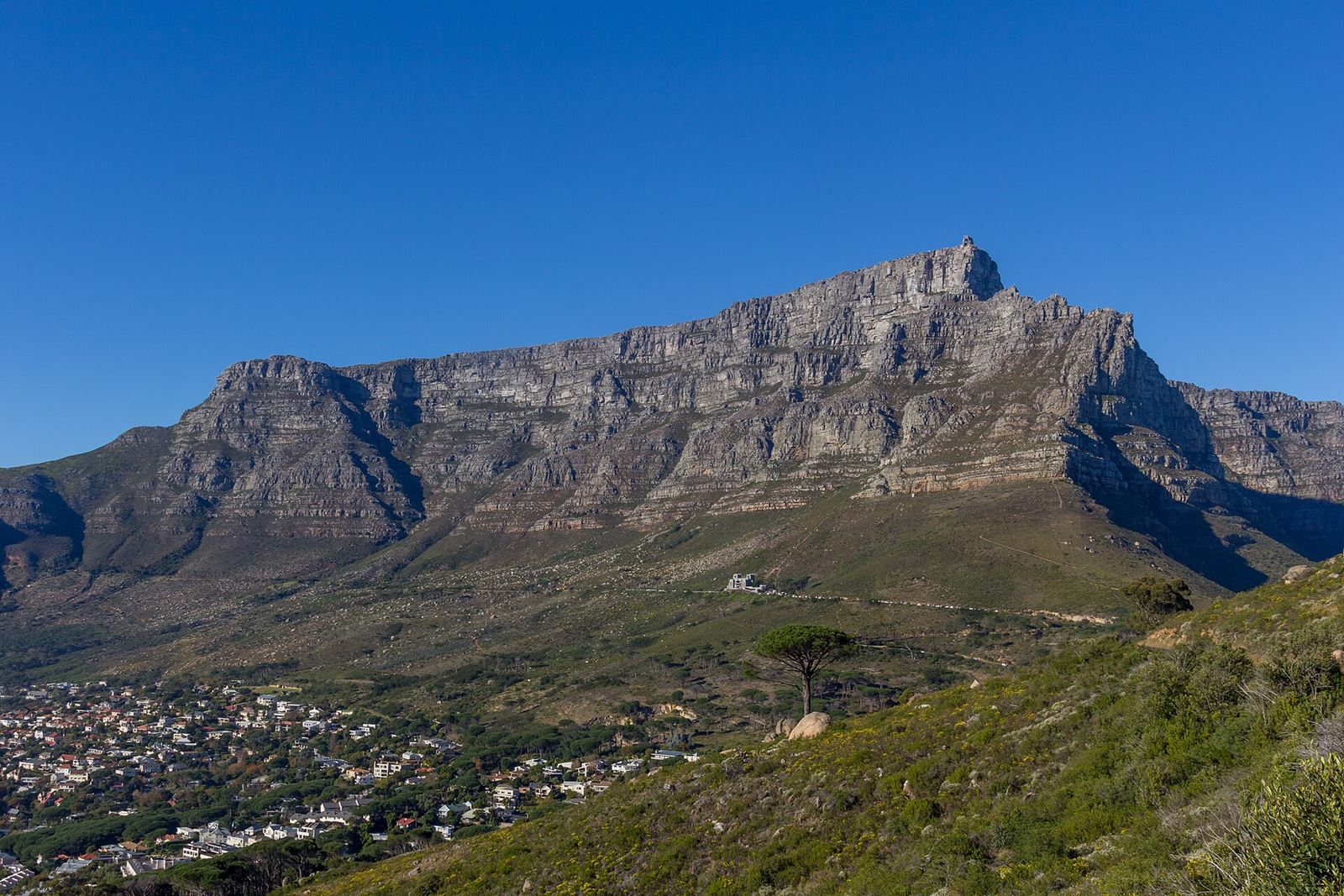
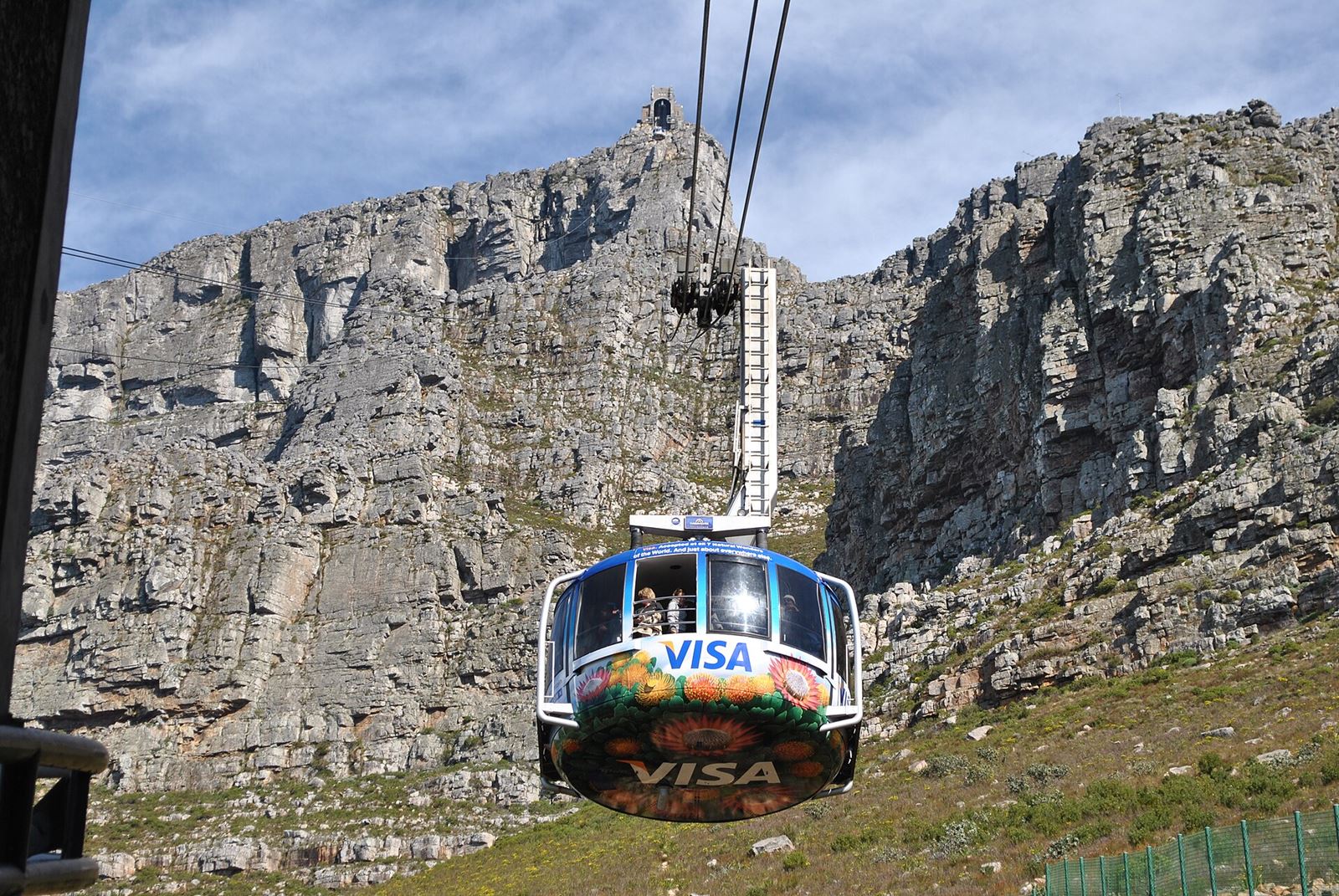
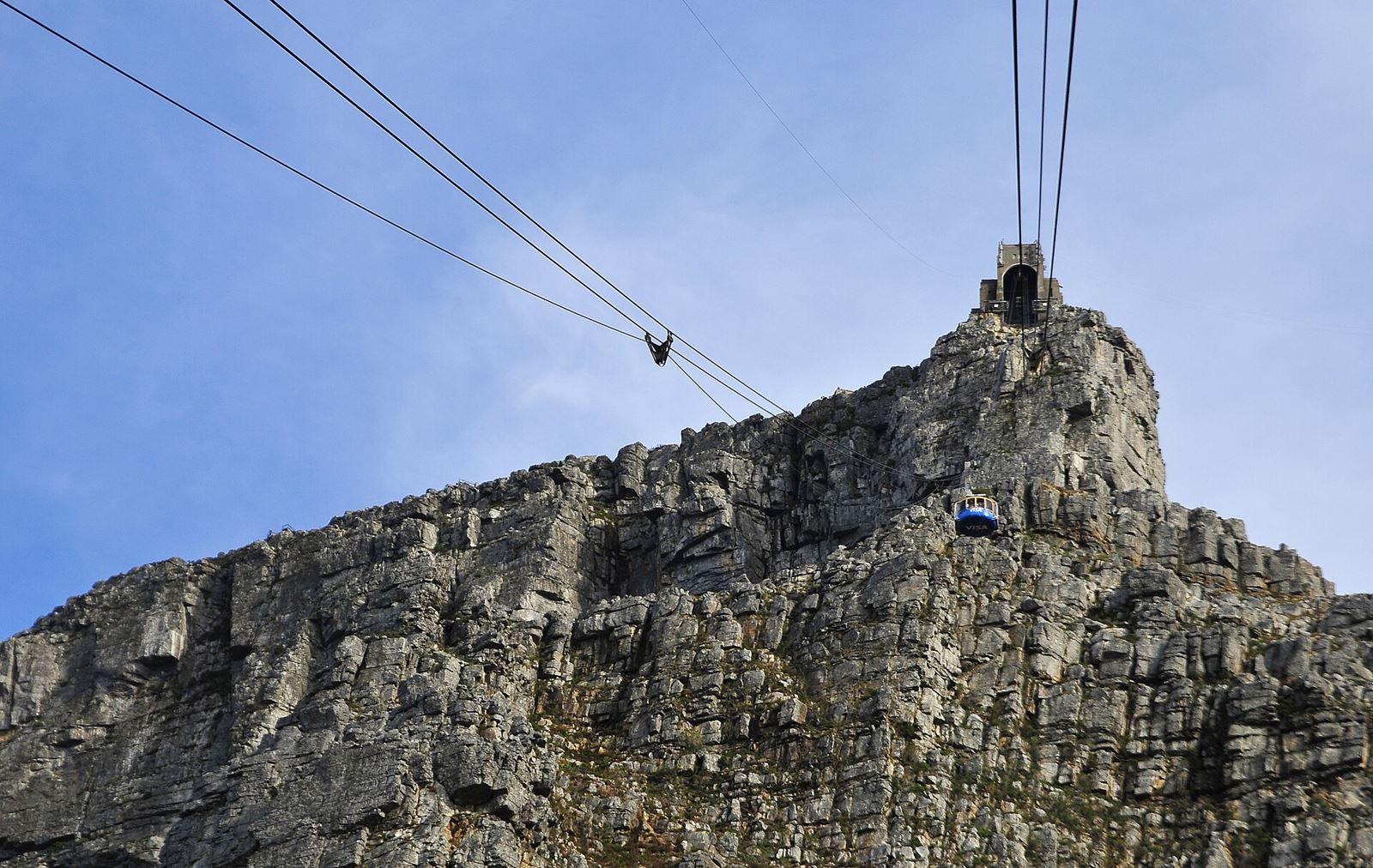
The Table Mountain Aerial Cableway is the easiest way to reach the top of Cape Town's most famous landmark. In about five minutes, a round cable car carries you from the lower station on Tafelberg Road to the edge of the summit plateau, more than a kilometre above the sea. As it climbs, the floor slowly turns a full circle, so every passenger gets a view of the city, Table Bay and the sheer cliffs of the mountain. From Bo-Kaap the lower station is only a 10 to 15 minute drive, which makes the cable car an easy half-day outing — or the perfect way down after hiking up.
A short history of the cableway
The cableway opened in October 1929, after years of debate about whether a railway or a cable car should be built up the mountain. The original wooden cars carried a handful of passengers at a time. The system has been rebuilt and upgraded several times since; the biggest change came in 1997, when the current Swiss-built cars with their rotating floors were introduced. Each car carries up to 65 people, and since its opening the cableway has taken many millions of visitors to the top. Today it is one of the most visited attractions in South Africa and a highlight of most first trips to Cape Town.
What the ride is like
Once you board at the lower station, the doors close and the car glides upwards along the cables, rising steeply towards the cliffs. Because the floor rotates, there is no need to fight for a window — just stand still and the view comes to you. On one side you see the City Bowl, the harbour and the V&A Waterfront, with Robben Island far out in the bay; on the other, the grey sandstone of the mountain face rushing past. The ride is smooth, and the operators keep a close eye on wind speeds, so most people who are nervous of heights find it much easier than they expected.
Tickets and booking
Tickets can be bought at the lower station, but buying online in advance is the best way to save time, especially in December, January and over school holidays, when the ticket queues can be long. You can choose a return ticket, or a one-way ticket if you plan to hike up or down. Prices differ for adults and children, and there are special rates for South African residents on some tickets — check the official Cableway website for current prices and any specials. Keep your ticket handy, because you will need it again for the ride down.
Weather, wind and closures
The cableway only runs when it is safe to do so. Strong wind, low cloud, rain or poor visibility can close it for a few hours or for the whole day, and it can stop at short notice once you are already on the summit. The Cableway publishes its operating status online, so check it before you leave Bo-Kaap. If the mountain is covered by the tablecloth of cloud, there will be little to see at the top even if the cars are running. The cableway also closes for a couple of weeks every year for planned maintenance, usually in the quieter winter months, so check the dates if you are visiting then.
Best time to ride
The first cars of the morning are usually the quietest, and the air is often clearest early in the day. Late afternoon is popular for golden light and sunsets, but these are also the busiest times in summer. If you have a few days in Cape Town, keep your plans flexible and go up on the first clear, calm day you get — many visitors miss out because they wait for the "perfect" day at the end of their trip and the weather turns.
Getting there from Bo-Kaap
The lower station is on Tafelberg Road, above the suburb of Tamboerskloof. By car or ride-hailing app it is a quick trip from Bo-Kaap via Kloof Nek Road. There is parking along Tafelberg Road, but it fills up early on busy days and you may have to walk some distance along the road. The hop-on hop-off sightseeing buses stop at the lower station, and MyCiTi buses run to Kloof Nek, from where it is an uphill walk to the cableway. Whichever way you travel, leave nothing visible in a parked car.
At the top
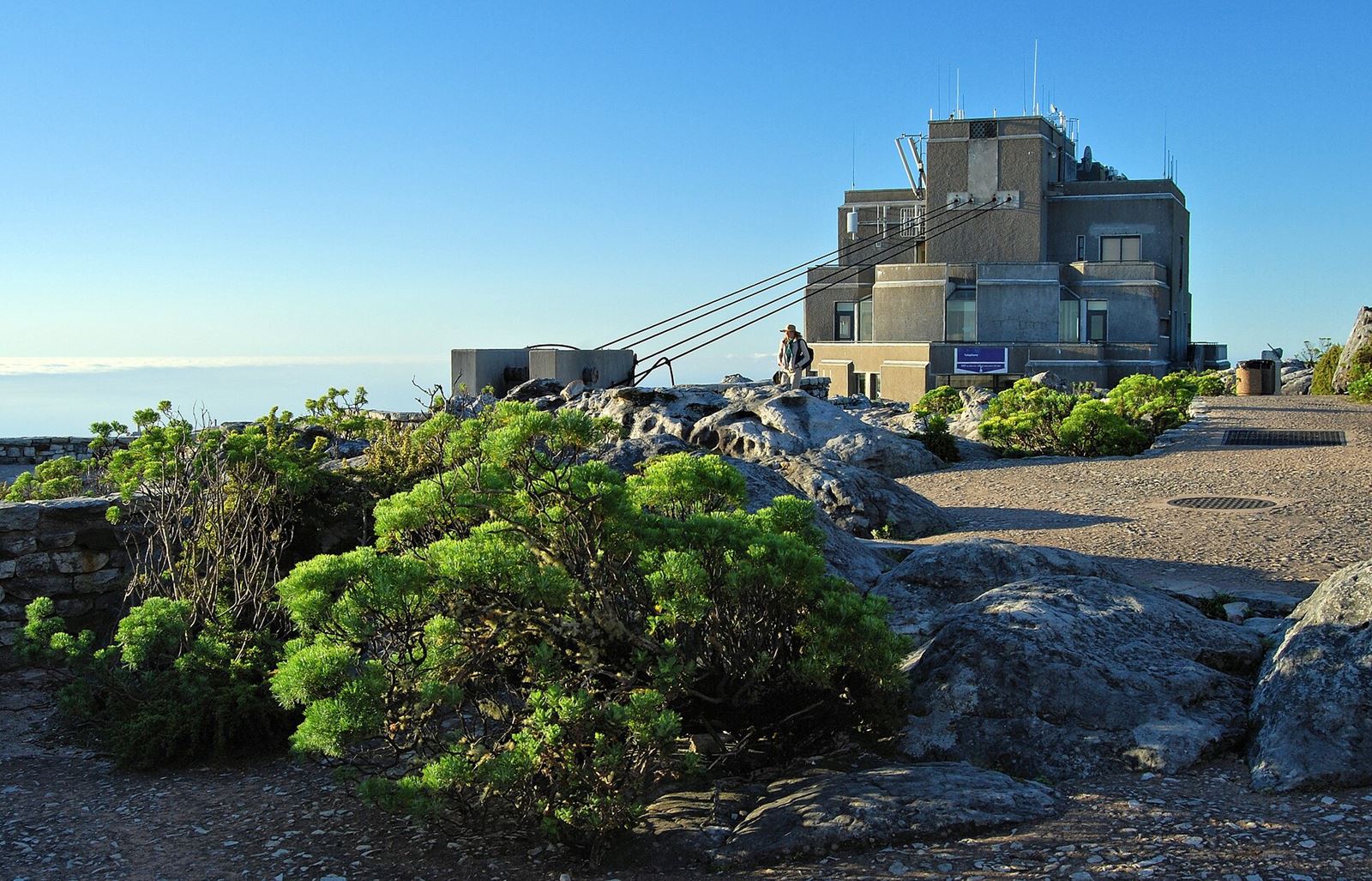
The upper station sits on the western end of the summit plateau. Well-marked paths lead to viewpoints in every direction, with information boards about the plants, animals and history of the mountain. There is a café for coffee and light meals, a shop, and plenty of rocks to sit on while you take in the view. Allow at least an hour or two at the top — longer if you want to explore the plateau on foot. For adventurous visitors, licensed operators also offer abseiling off the edge of the mountain. Remember to dress warmly: even on a hot day in Bo-Kaap it can be windy and much cooler on the summit.
Accessibility
The cable cars and the main paths around the upper station are largely accessible for wheelchairs and prams, which makes this one of the few mountain-top viewpoints in the world that almost everyone can enjoy. Paths further from the station are uneven, so stick to the main walkways if you have limited mobility.
Make a day of it
Combine the cable car with the other sights near Bo-Kaap: read about hiking the mountain on our Table Mountain guide, stop at Signal Hill on the way back for the sunset, or head down to the city for the Bo-Kaap Museum and a plate of Cape Malay curry at one of the restaurants in Bo-Kaap.
Photos via Wikimedia Commons: ZS1TP, CC BY-SA 3.0; LBM1948, CC BY-SA 4.0; Ossewa, CC BY-SA 4.0.
Frequently asked questions
How long is the Table Mountain cable car ride?
Does the cable car run every day?
Should I book cable car tickets in advance?
Can I hike up Table Mountain and take the cable car down?
Is the cable car wheelchair accessible?
Opening hours
Runs every day, weather permitting. Times change with the seasons — check the Cableway's website on the day.
Hours can change on public holidays and during Ramadan — call ahead to be sure.
Location
Lower Cableway Station, Tafelberg Road, Cape Town
Share your experience of Table Mountain Aerial Cableway
Reviews are written by signed-in Google account holders so every review comes from a real person.
Sign in with Google to review