V&A Waterfront & Robben Island
About V&A Waterfront & Robben Island
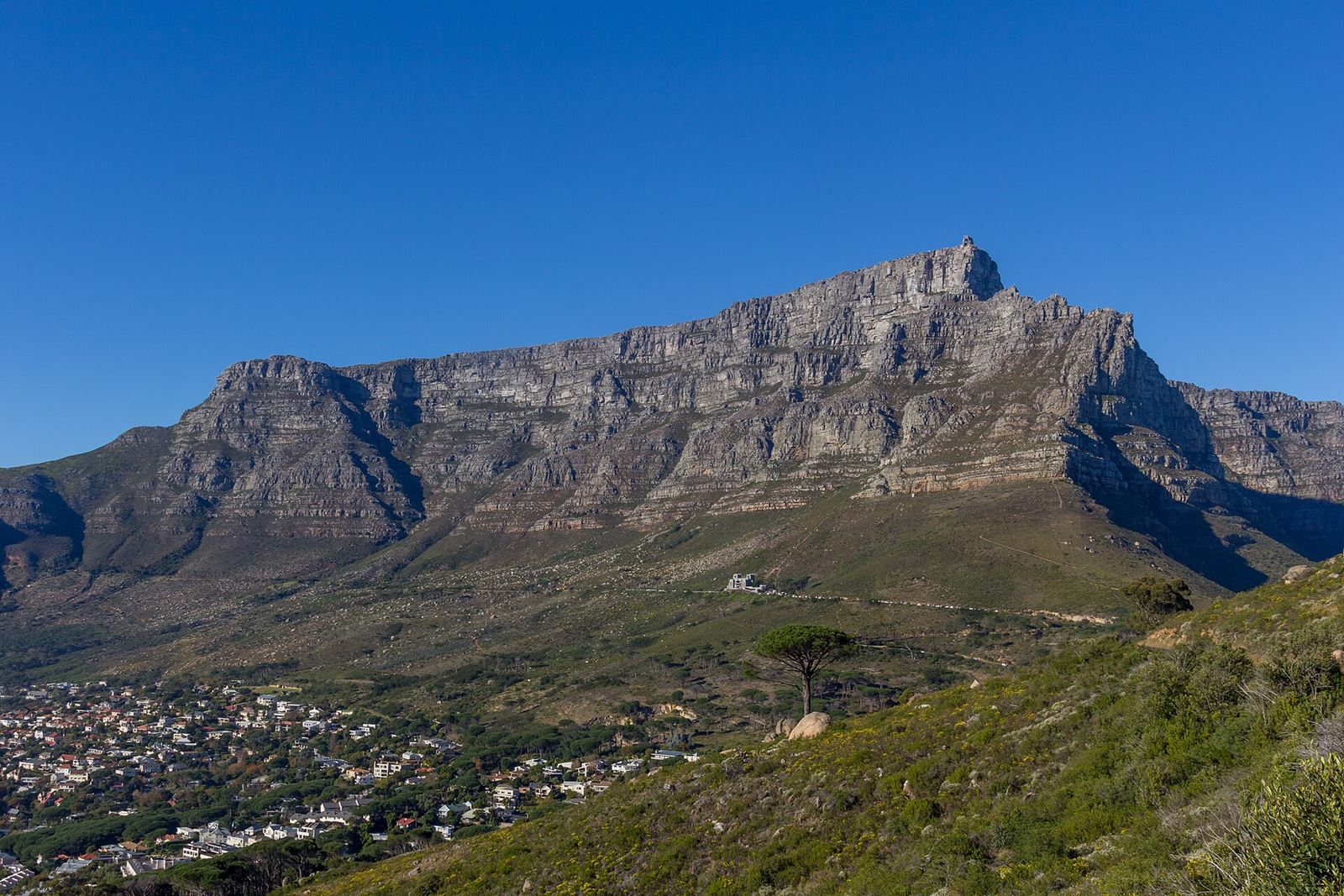
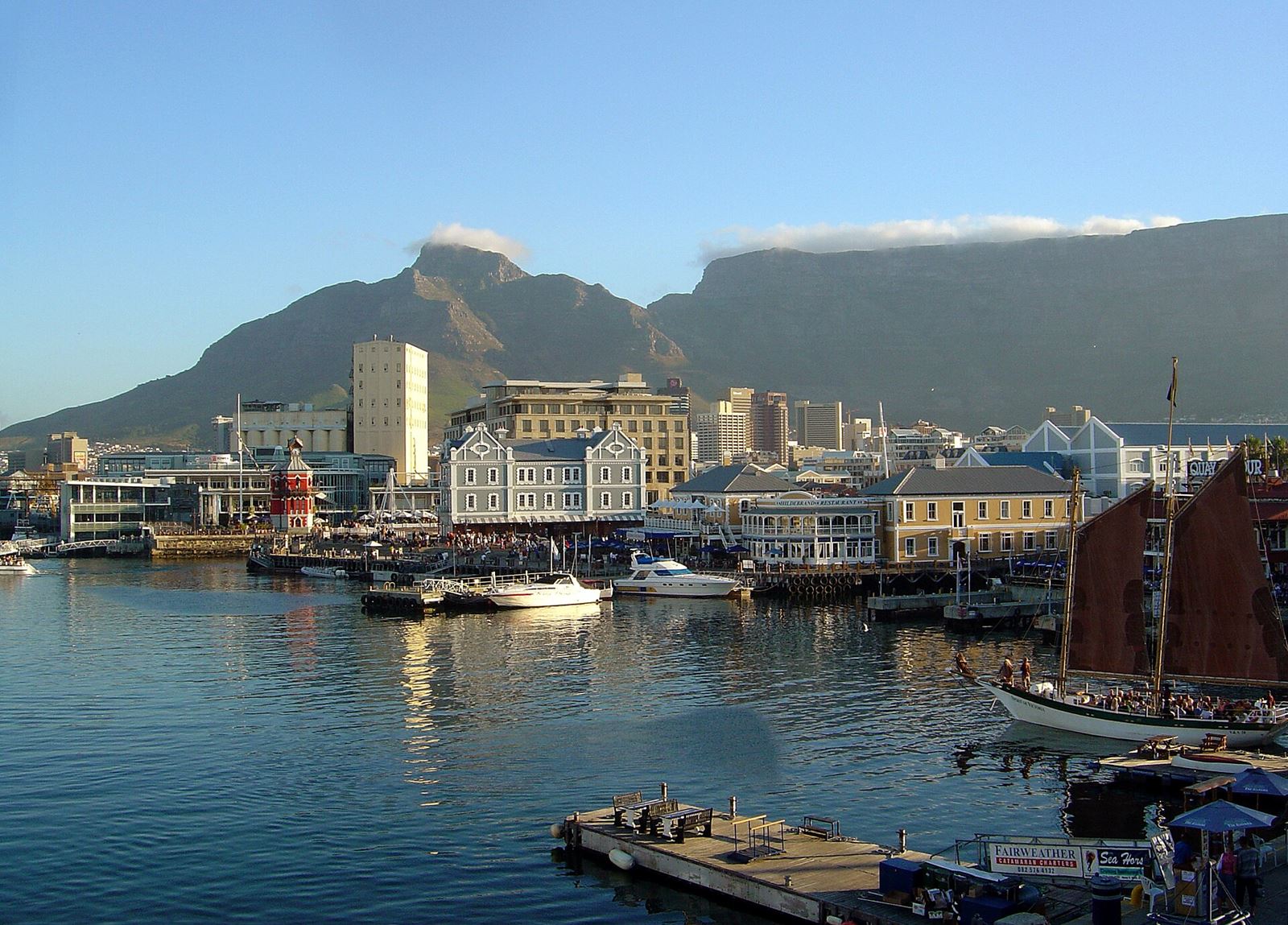
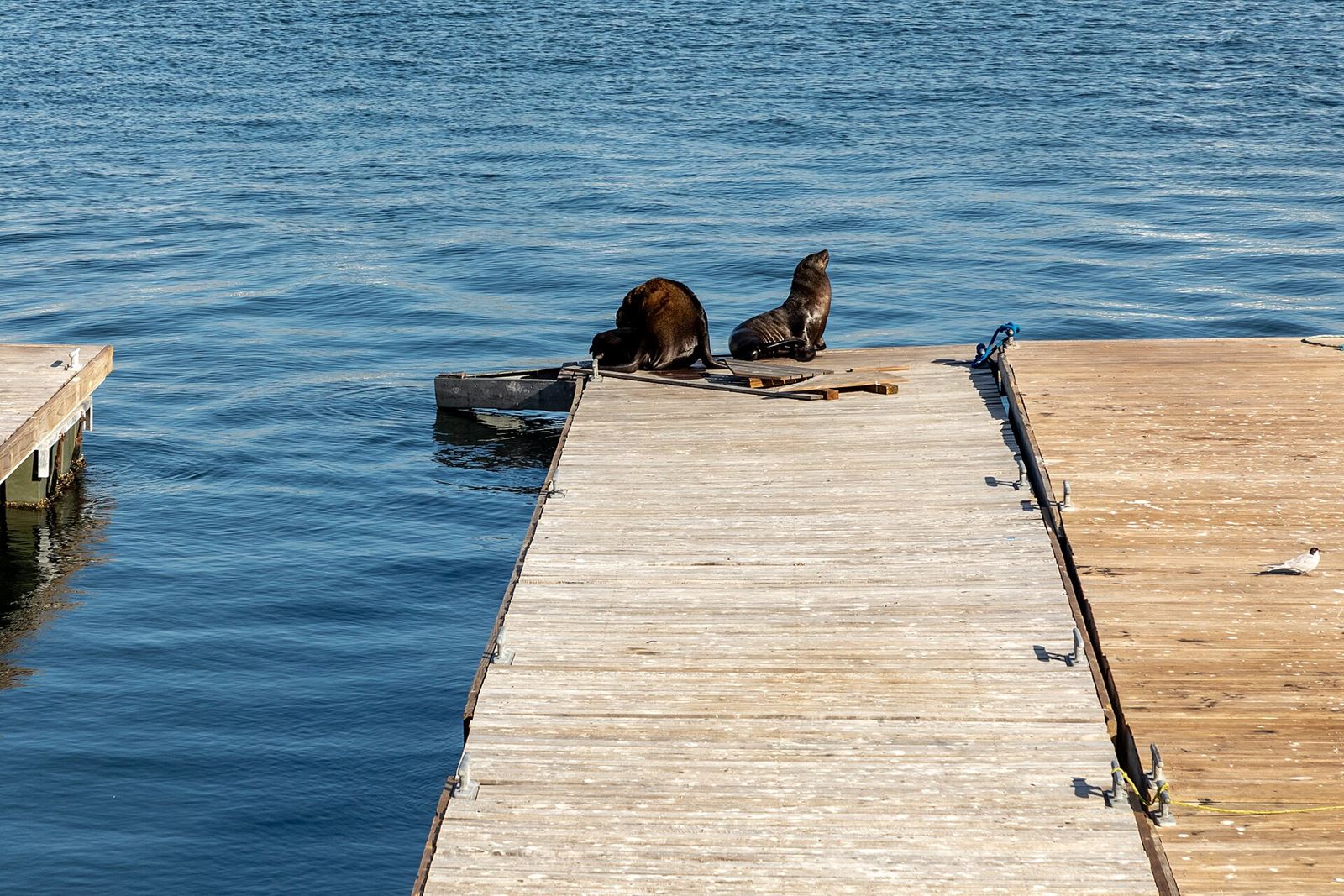
The Victoria & Alfred Waterfront is Cape Town's historic harbour and one of the busiest visitor destinations in Africa. Fishing boats and tugs still work alongside shops, restaurants, museums and markets, seals laze on the jetties, and Table Mountain rises over it all. From here, ferries cross Table Bay to Robben Island, where Nelson Mandela spent eighteen of his twenty-seven years in prison. Only about ten minutes by car from Bo-Kaap, the Waterfront and the island together make a full and unforgettable day.
A harbour with a history
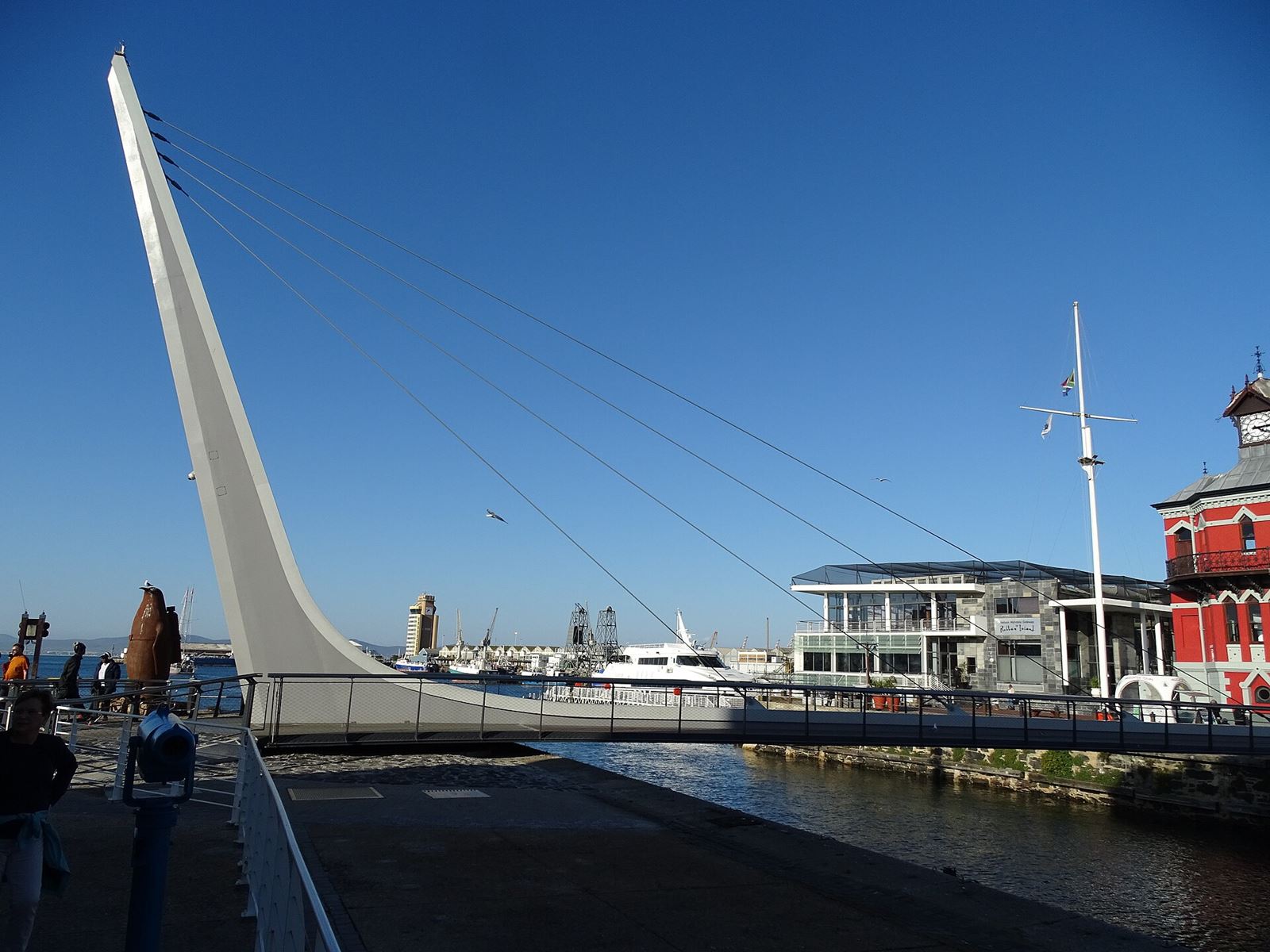
The Waterfront is named after Queen Victoria and her second son, Prince Alfred, who in 1860 tipped the first load of stone into the sea to begin building the breakwater that created Cape Town's first proper harbour. The Alfred and Victoria basins became the heart of the city's trade for the next century. By the 1980s the old docks had fallen into decline, and a major redevelopment began, turning warehouses and quays into a new district that opened in stages from 1990. Much of the original harbour architecture survives, including the red Victorian Gothic Clock Tower, which once served as the Port Captain's office.
Things to do at the V&A Waterfront
- Zeitz MOCAA — the Zeitz Museum of Contemporary Art Africa, opened in 2017 inside a converted 1920s grain silo. Its soaring atrium, carved out of the old concrete tubes, is worth seeing in its own right, and the galleries show leading contemporary art from Africa and its diaspora.
- Two Oceans Aquarium — explore the sea life of the cold Atlantic and warm Indian Oceans that meet off the Cape, with a kelp forest, sharks, rays, penguins and turtles. A great choice for families and rainy days.
- Nobel Square — statues of South Africa's four Nobel Peace Prize laureates: Chief Albert Luthuli, Archbishop Desmond Tutu, F. W. de Klerk and Nelson Mandela, with Table Mountain as a backdrop.
- The Watershed — a large indoor market of South African design, crafts, fashion and art, ideal for gifts and souvenirs made by local makers.
- Harbour cruises — short boat trips around the harbour and out into Table Bay, including sunset cruises, leave from the quays near the Clock Tower.
- The Cape Wheel — a giant observation wheel with views over the harbour, the city and the mountain.
- Seal spotting — Cape fur seals often haul themselves out on the jetties and platforms near the swing bridge and Clock Tower.
Robben Island
Robben Island lies in Table Bay, a few kilometres off the coast. For centuries it was used as a place of banishment and imprisonment — for people who resisted colonial rule, for those with leprosy and other illnesses, and, during apartheid, for political prisoners. Nelson Mandela, Walter Sisulu, Robert Sobukwe and many others were held here. Imam Abdullah ibn Qadi Abdus Salaam, known as Tuan Guru, who later helped found the Auwal Mosque in Bo-Kaap, was imprisoned on the island in the 18th century. The island became a museum after the end of apartheid and was declared a UNESCO World Heritage Site in 1999.
Tours depart from the Nelson Mandela Gateway, next to the Clock Tower at the Waterfront. The ferry crossing takes around half an hour to forty-five minutes each way, and the whole trip lasts about three and a half to four hours. On the island, a bus tour takes you past the lime quarry where prisoners did hard labour, Robert Sobukwe's house, the leper graveyard and the kramat (shrine) of a Muslim prince who was exiled there. You then visit the maximum security prison, often guided by a former political prisoner, and see the cell where Nelson Mandela was held.
Booking tips for Robben Island
Book your Robben Island tickets well in advance through the official Robben Island Museum website, especially in summer and over holidays, when tours sell out days or weeks ahead. Trips can be cancelled at short notice when the sea is rough, which happens most often in winter, so try not to leave the visit until your last day in Cape Town. Bring a warm layer for the ferry, sunscreen and water, and arrive at the Gateway in good time before departure.
Eating at the Waterfront
The Waterfront has a huge choice of restaurants, cafés and food markets, from seafood on the quays to fast food and fine dining. Several outlets serve halal food, but certification varies from place to place, so look for a current certificate from a recognised body such as the MJC or SANHA, or ask the staff. For home-style Cape Malay cooking, many visitors prefer to return to Bo-Kaap — see our guide to Cape Malay cuisine, our restaurant listings and our halal guide.
Getting there from Bo-Kaap
The Waterfront is about two and a half kilometres from Bo-Kaap. By car or ride-hailing app it takes around ten minutes, and there is plenty of paid parking in the Waterfront's garages. MyCiTi buses run between the city centre and the Waterfront, and you can also walk there in about half an hour via De Waterkant and Green Point. If you are walking back after dark, take a taxi instead.
Planning your day
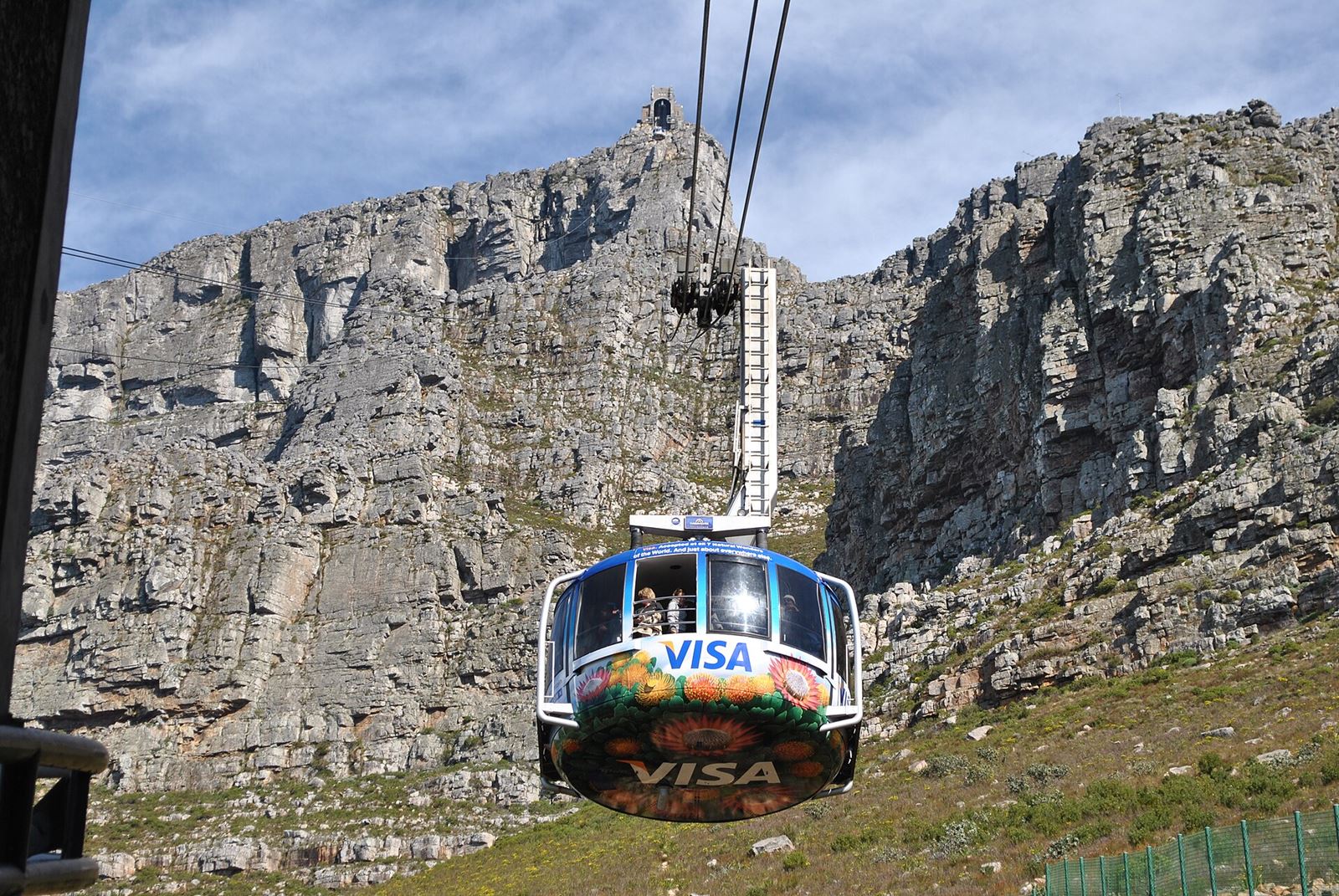
A good plan is to take a morning ferry to Robben Island, return for lunch at the Waterfront, then spend the afternoon at Zeitz MOCAA or the aquarium before watching the sun set over the harbour. If the weather is clear, combine the Waterfront with a trip up Table Mountain by cable car on another day, or with sunset on Signal Hill. Staying in Bo-Kaap keeps you close to both the harbour and the mountain — browse our places to stay and our full list of things to do.
Photos via Wikimedia Commons: Andreas Tusche, CC BY-SA 3.0; Ad Meskens, CC BY-SA 4.0; Dietmar Rabich, CC BY-SA 4.0.
Frequently asked questions
How do I get to Robben Island?
How long is a Robben Island tour?
Can Robben Island tours be cancelled?
How far is the V&A Waterfront from Bo-Kaap?
Is there halal food at the V&A Waterfront?
Location
V&A Waterfront, Cape Town
Share your experience of V&A Waterfront & Robben Island
Reviews are written by signed-in Google account holders so every review comes from a real person.
Sign in with Google to review