Cape Malay Cuisine in Bo-Kaap
About Cape Malay Cuisine in Bo-Kaap
Walk through Bo-Kaap around lunchtime and the air smells of cinnamon, cardamom, cumin and frying onions. Cape Malay cooking is one of the great cuisines of Africa — a fusion of the flavours of South-East Asia, India, East Africa and Europe, born in the kitchens of the Cape over more than three centuries. It is warm and fragrant rather than fiery, often a little sweet, and full of comfort. For many visitors, eating Cape Malay food in the homes and restaurants of Bo-Kaap is the highlight of their trip to Cape Town.
Where Cape Malay food comes from
The cuisine grew out of the history of the Cape. From the 17th century, the Dutch East India Company brought enslaved people and political exiles to the Cape from Indonesia, Malaysia, India, Sri Lanka, Madagascar and the East African coast. They brought spices, cooking techniques and food traditions with them, and as cooks in the households of the colony they blended these with the ingredients they found at the Cape and with Dutch, French and local African influences. The name "Cape Malay" reflects the fact that Malay was once a common language among these communities, even though their roots lie across a much wider region.
The result is a cooking style built on gently spiced curries and stews, slow-cooked meat, fragrant rice, dried fruit, chutneys and pickles, and an enormous love of sweet things. Spices such as cinnamon, cardamom, cloves, turmeric, cumin, coriander, fennel and chilli are used generously but in balance, and tamarind, apricots and raisins add a sweet-sour depth that makes the food instantly recognisable.
Dishes to try
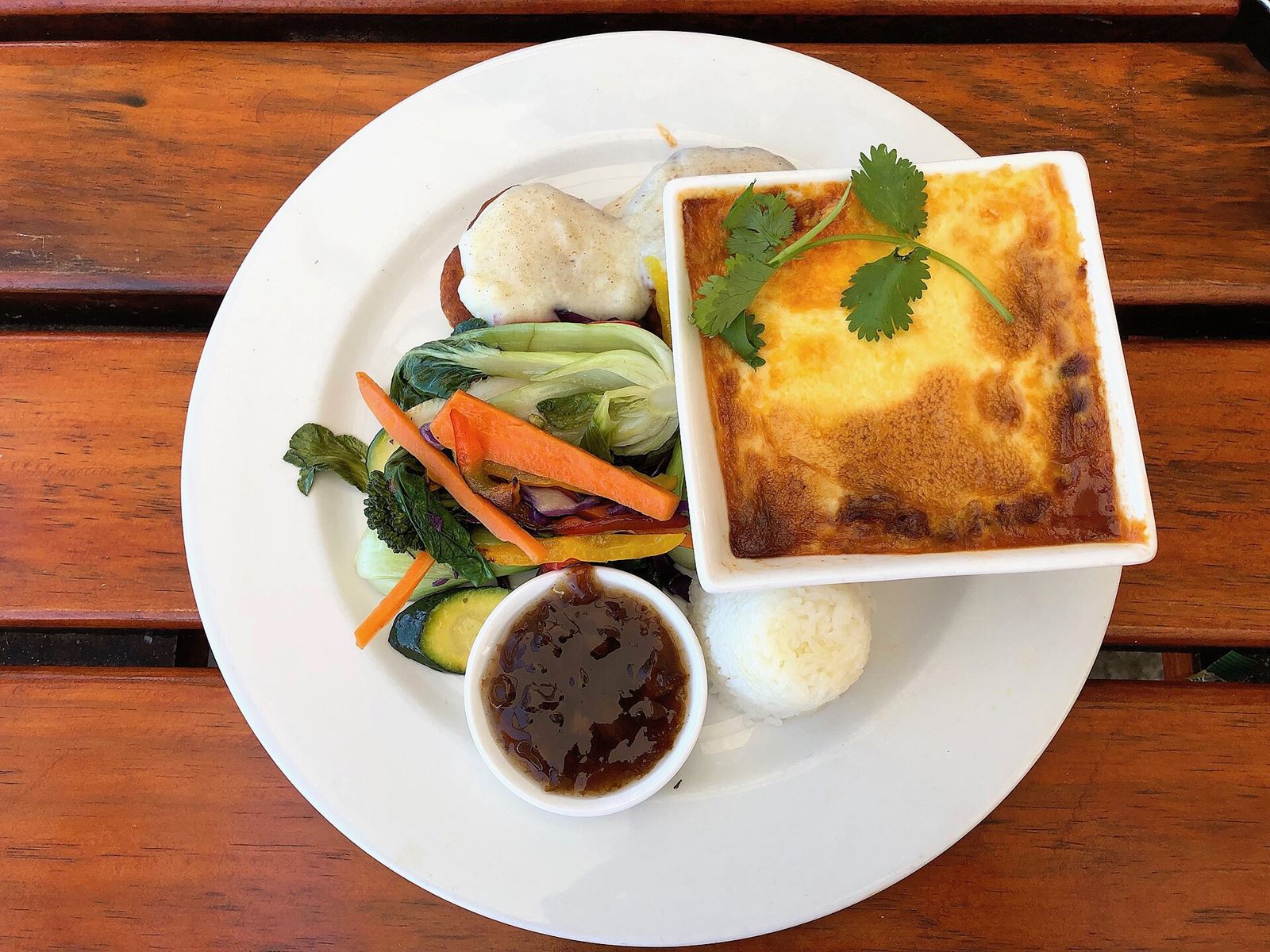
- Bobotie — perhaps South Africa's best-known dish: spiced minced meat with dried fruit and almonds, baked under a golden layer of savoury egg custard and served with yellow rice with raisins, chutney and sambals.
- Cape Malay curry — milder and more fragrant than many Indian curries, made with lamb, chicken, beef or vegetables and served with rice, roti or both. Each family has its own spice blend.
- Bredie — a slow-cooked stew of meat and vegetables. Tomato bredie, made with lamb and ripe tomatoes, is the classic, while waterblommetjie bredie uses a local water lily that flowers in the Cape winter.
- Breyani — layered rice, meat or chicken, lentils and potatoes cooked with saffron and spices, a centrepiece of weddings and celebrations.
- Denningvleis — a sweet-sour lamb stew flavoured with tamarind and bay leaves, one of the oldest recipes in the Cape Malay kitchen.
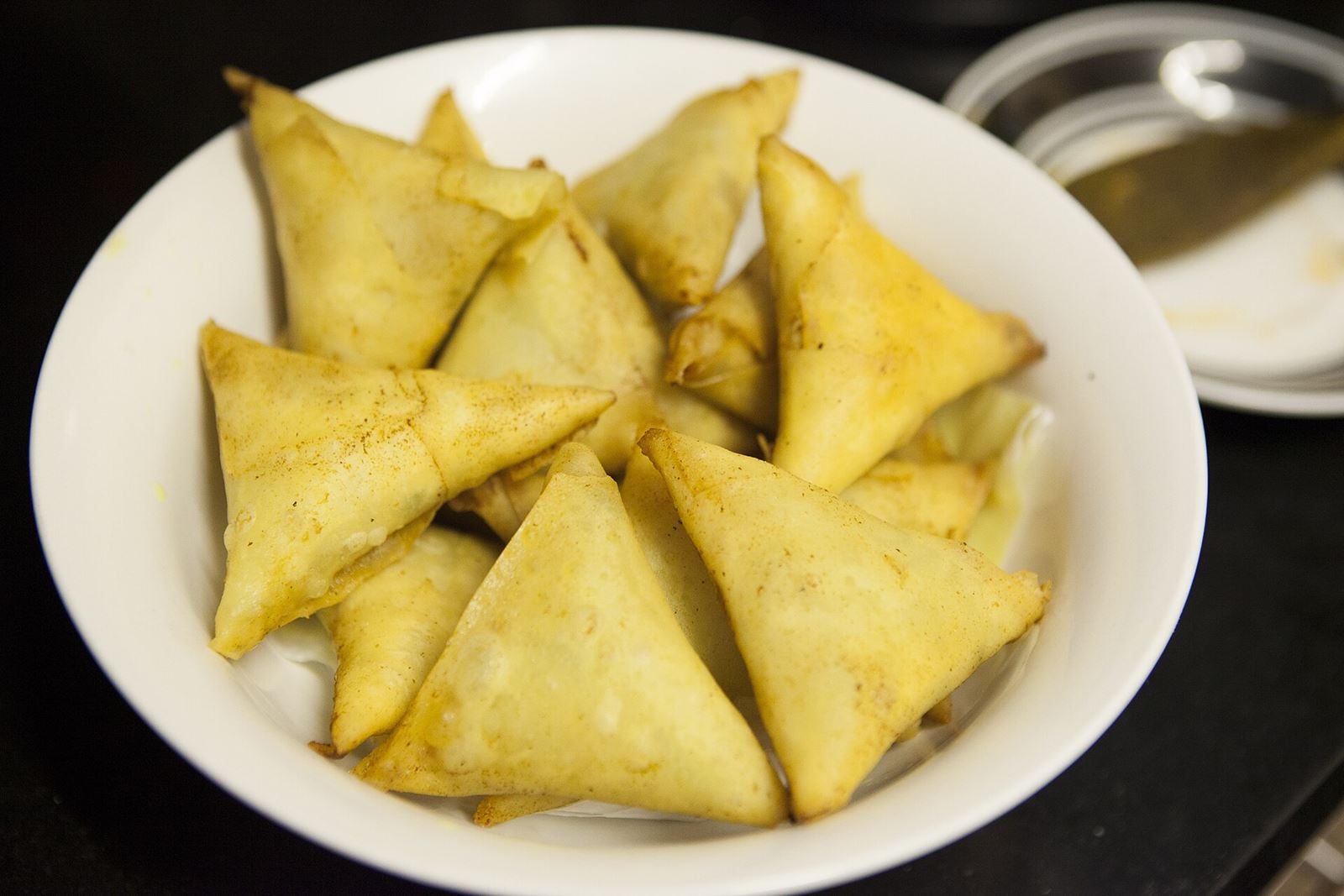
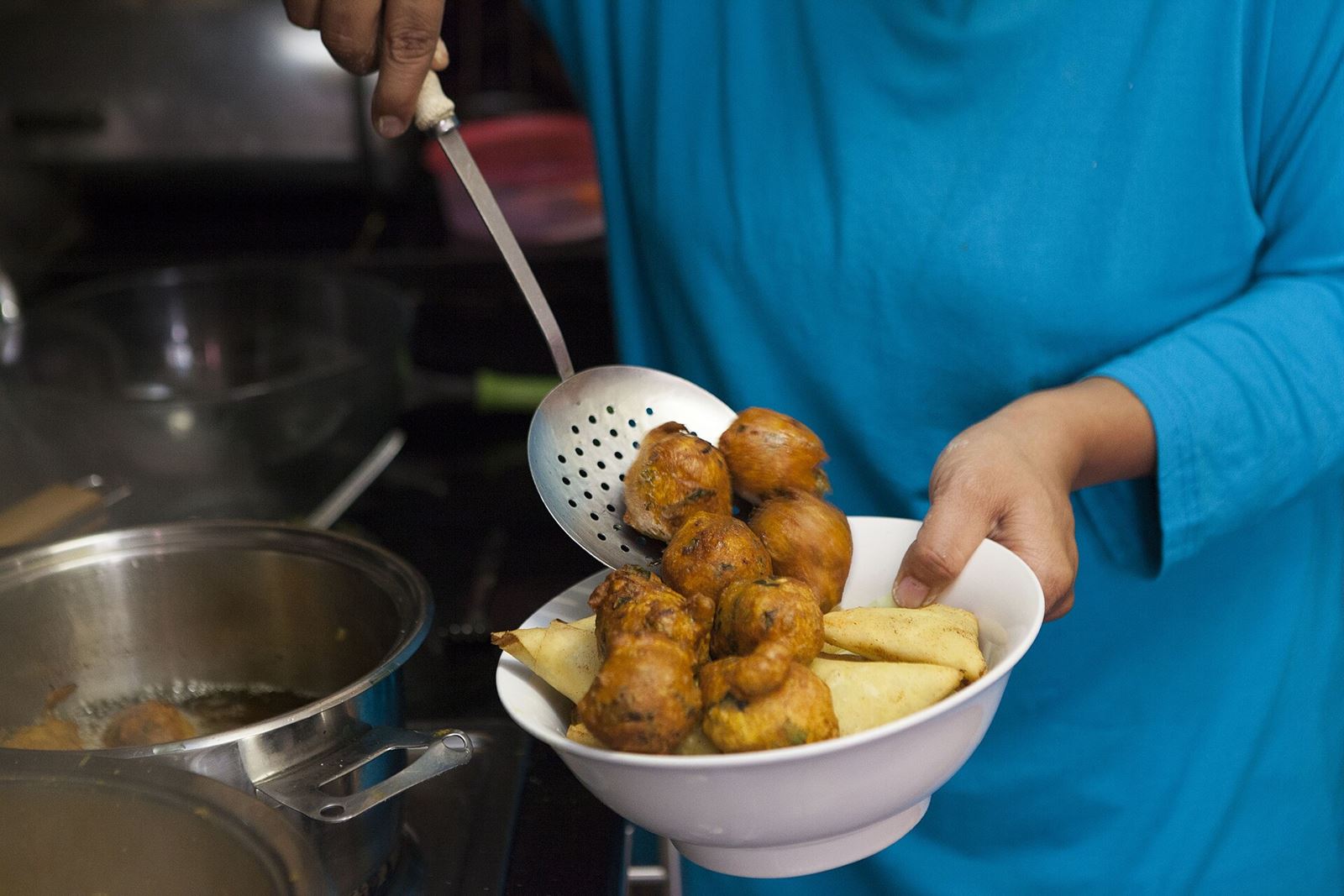
- Samoosas and dhaltjies — crisp, triangular pastries filled with spiced mince, chicken or vegetables, and dhaltjies, light chilli bites made from chickpea flour and spinach. Perfect snacks, especially when breaking the fast during Ramadan.
- Koesisters — not to be confused with the plaited Afrikaner koeksister, the Cape Malay koesister is a soft, spiced doughnut flavoured with cinnamon, cardamom and aniseed, dipped in syrup and rolled in coconut. In Bo-Kaap they are a Sunday-morning tradition.
- Smoorsnoek and pickled fish — snoek, a local fish, braised with onions, tomato and chilli, and pickled fish in a curried vinegar sauce, traditionally eaten at Easter by many Cape families.
- Boeber and falooda — boeber is a sweet, creamy drink of milk, vermicelli, sago, cardamom and rose water, made especially on the fifteenth night of Ramadan; falooda is a pink, rose-flavoured milk drink.
Food and faith
Food is at the centre of community life in Bo-Kaap, and nearly all of it is halal. During Ramadan, neighbours send plates of samoosas, dhaltjies and cakes to each other's homes just before sunset, and families gather to break the fast together. Eid brings feasts of breyani and sweet treats, and weddings and religious gatherings are catered by teams of family cooks working through the night. Recipes are passed down from grandmothers to grandchildren, and every household is convinced its own version is the best. Read more about the faith behind the food on our Auwal Mosque page.
Where to eat Cape Malay food in Bo-Kaap
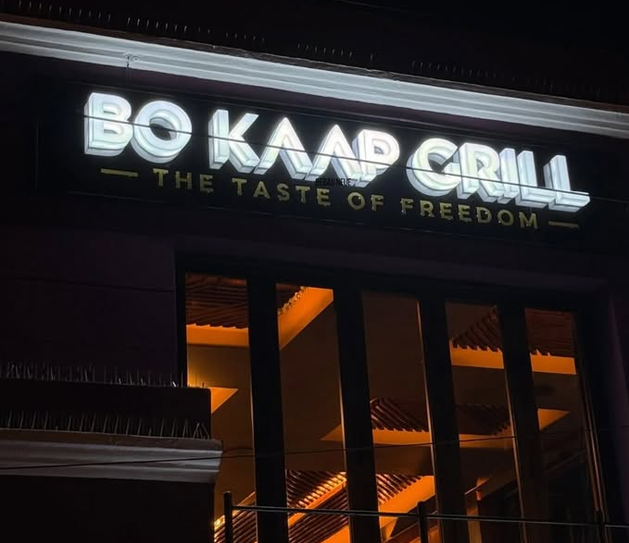
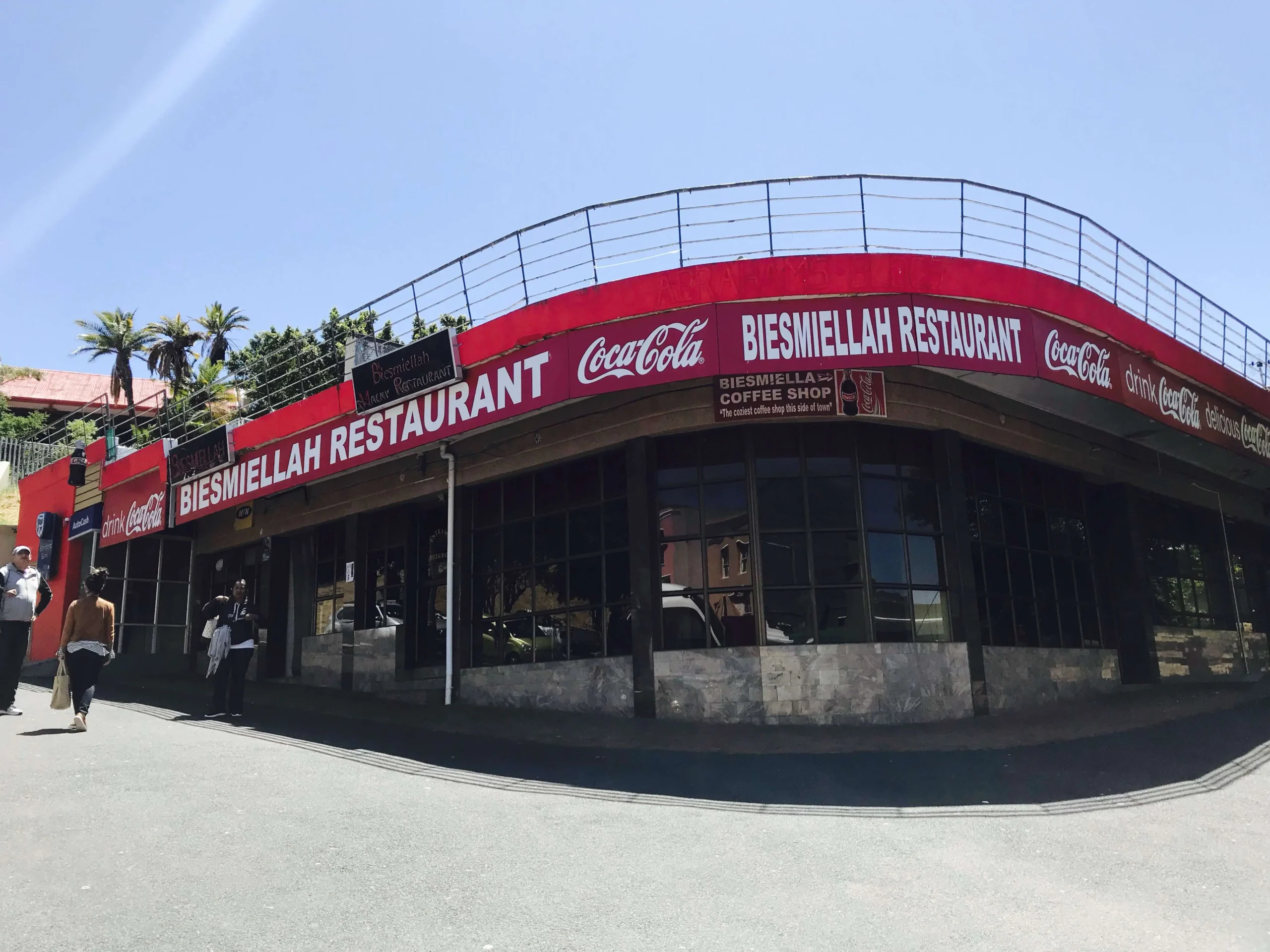
The best place to start is with the restaurants and cafés of the neighbourhood itself. Long-standing family restaurants such as Biesmiellah and Bokaap Kombuis serve classic Cape Malay dishes, while places like the Bokaap Deli and Cape Kitchen and Cafe are good for lighter meals and snacks. See our full list of restaurants in Bo-Kaap, and use our halal guide to check each restaurant's halal status — on every listing we show whether a business is halal certified, fully halal or Muslim-friendly, as confirmed by the business.
Cooking classes and food tours
To really understand Cape Malay cooking, cook it. Several Bo-Kaap residents open their homes for small cooking classes, where you help to fold samoosas, roll rotis and blend a curry before sitting down to eat the meal together. Food walking tours of the neighbourhood visit spice shops, bakeries and home kitchens, with tastings along the way. Book ahead, ask whether the class is halal if that matters to you, and let your host know about any allergies.
Bringing the flavours home
Bo-Kaap's spice shops, such as Atlas Trading on Wale Street, sell ready-mixed curry and masala blends, whole spices, dried fruit and the ingredients for koesisters and boeber, and the staff are usually happy to explain how to use them. For recipes, many Cape families swear by Faldela Williams' classic The Cape Malay Cookbook. Spices are light to carry and make wonderful gifts.
Make a day of it
Combine a food-focused day with the sights of the neighbourhood: start with breakfast and koesisters, visit the Bo-Kaap Museum to see how a Cape Malay family lived in the 19th century, walk up to the Noon Gun to work up an appetite, and finish with a long Cape Malay lunch or dinner. If you would like to stay in the heart of it all, browse our places to stay in Bo-Kaap, including Muslim-friendly guesthouses.
Photos via Wikimedia Commons: Olga Ernst, CC BY-SA 4.0; Go2africa (photo 2, photo 3), CC BY-SA 4.0.
Frequently asked questions
What is Cape Malay food?
Is Cape Malay food spicy?
Is Cape Malay food halal?
What should I eat in Bo-Kaap?
Can I take a Cape Malay cooking class in Bo-Kaap?
Location
Bo-Kaap, Cape Town
Share your experience of Cape Malay Cuisine in Bo-Kaap
Reviews are written by signed-in Google account holders so every review comes from a real person.
Sign in with Google to review